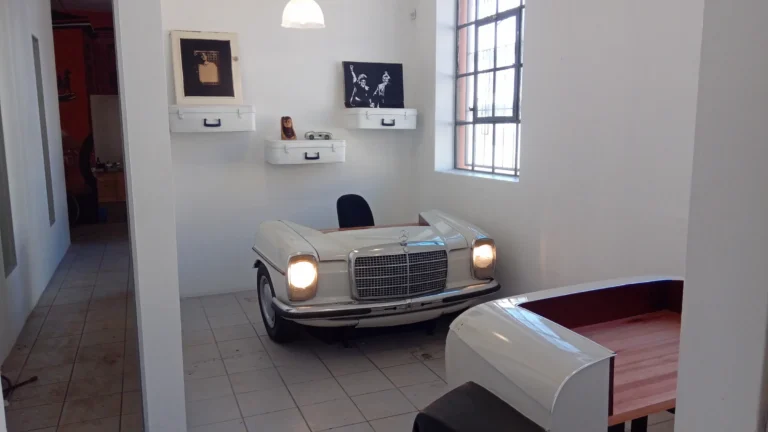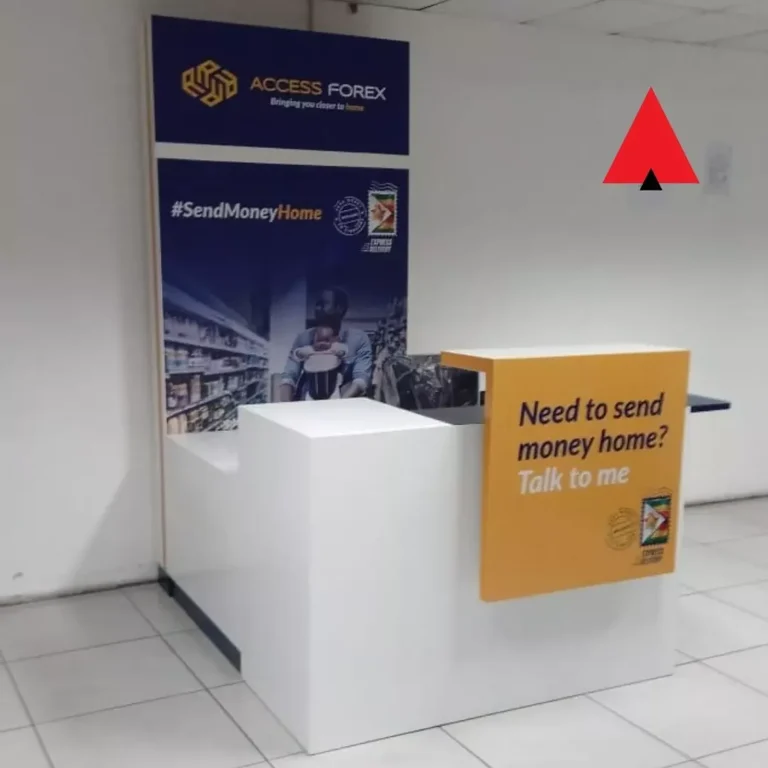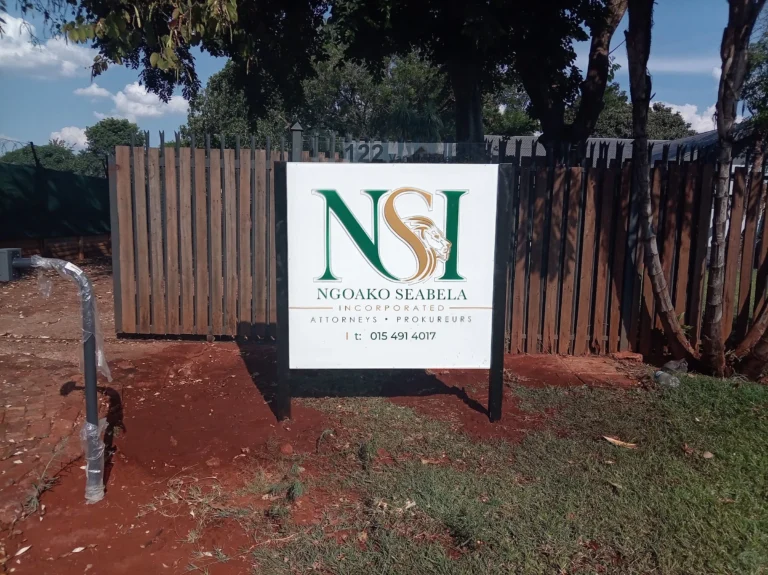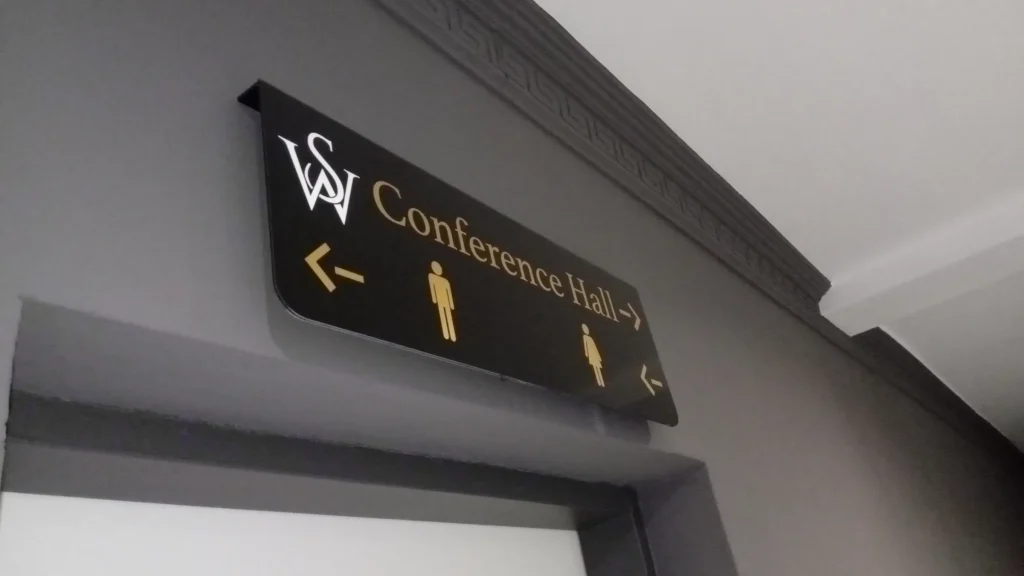
Material choice affects how a project looks, how long it lasts and how it is installed. Here is a plain guide to materials and processes you will often hear about.
Materials
- Acrylic: a rigid plastic available clear, coloured or opal. It cuts cleanly and suits reception signs, light boxes and raised lettering.
- Aluminium composite: two thin aluminium skins bonded to a plastic core, sold under brand names such as Dibond. It is flat, light and well suited to outdoor sign panels.
- MDF: a smooth, stable board that paints well. It is used indoors for stands and joinery and must be protected from moisture.
- Plywood: layered timber sheet that is strong for its weight, used for structures and visible timber finishes.
- Vinyl: self-adhesive film for lettering, wraps and window graphics.
- Fabric graphics: printed textile that is light, folds for transport and gives large, seamless images.
Processes
- CNC routing: a computer-guided cutter that shapes sheet materials accurately.
- Laser cutting: a focused beam that gives fine detail on suitable materials such as acrylic.
- UV printing: ink cured by ultraviolet light, which allows printing directly onto rigid boards.
How to choose
Start with where the item will live, how long it needs to last and how it will be fixed. Indoor and outdoor uses need different answers. A material that looks right but cannot handle sun, moisture or transport will cost more in the end.