A brief is not a design. It is a clear explanation of what you need to achieve. The better the brief, the more time your designer can spend solving the right problem.
What to include
- Your objective: what should this project achieve for your business?
- Your audience: who will use or see it, and what should they think, feel or do?
- The space: plans, measurements and photographs of the site as it is now.
- Your brand: logo files, colours, fonts and any brand guidelines.
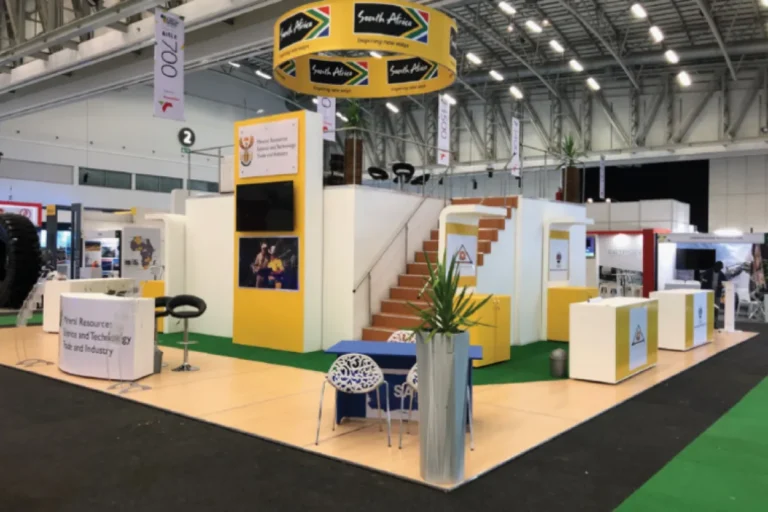
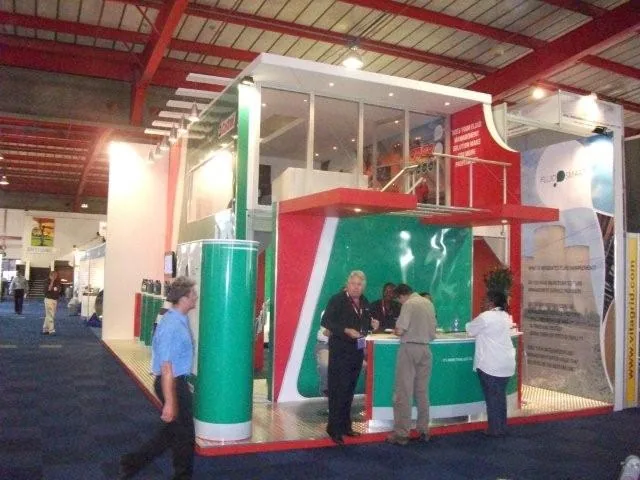
- Practical needs: storage, screens, power, seating or products to display.
- Budget and timing: your range, and any fixed dates such as an opening or show.
Show what you like
Reference images are useful, especially if you explain what you like about each one. Examples of what you do not like can be just as helpful.
Be honest about budget
Sharing a budget range is not giving away your negotiating position. It helps your designer propose ideas that can actually be built, rather than concepts that need to be cut back later.
Name one decision maker
Feedback from several people can pull a project in different directions. Choose one person to gather comments and give final approval.